Common Misconceptions About Commercial Roofing
Understanding the Basics of Commercial Roofing
Commercial roofing is a specialized field that often gets misunderstood. Many people assume it's similar to residential roofing, but this is far from the truth. The materials, installation techniques, and maintenance requirements differ significantly. Understanding these differences is crucial for any business owner considering a new roof for their commercial property.
Misconception 1: All Commercial Roofs Are Flat
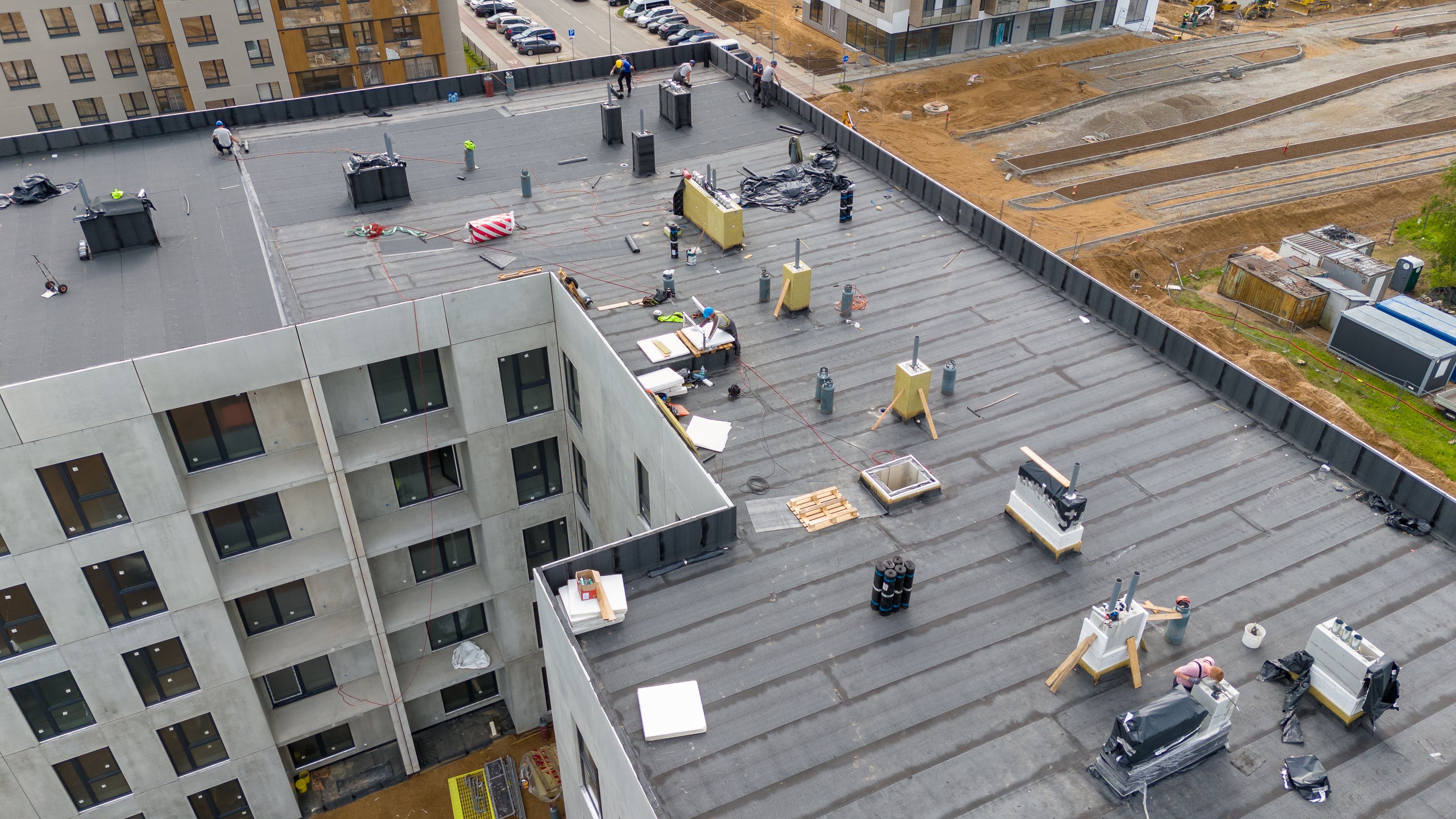
A common belief is that all commercial roofs are flat. While many commercial roofs do feature flat designs, there are also sloped and low-slope options available. The choice depends on the building's architecture, climate, and specific needs. A sloped roof, for example, might be more suitable in areas with heavy rainfall or snow.
Flat roofs, while popular, come with their own set of challenges, such as drainage issues. It's essential to work with a professional to determine the best option for your business.
Misconception 2: Commercial Roofing Materials Are All the Same
Another misconception is that all commercial roofing materials are alike. In reality, there are several types of materials, each with its own advantages and disadvantages. Some common materials include:
- EPDM (Ethylene Propylene Diene Monomer): Known for its durability and flexibility.
- TPO (Thermoplastic Olefin): Popular for its energy efficiency and reflective properties.
- Metal Roofing: Offers longevity and resistance to harsh weather conditions.
Choosing the right material depends on various factors, such as budget, climate, and building design.
Misconception 3: Maintenance Is Not Important
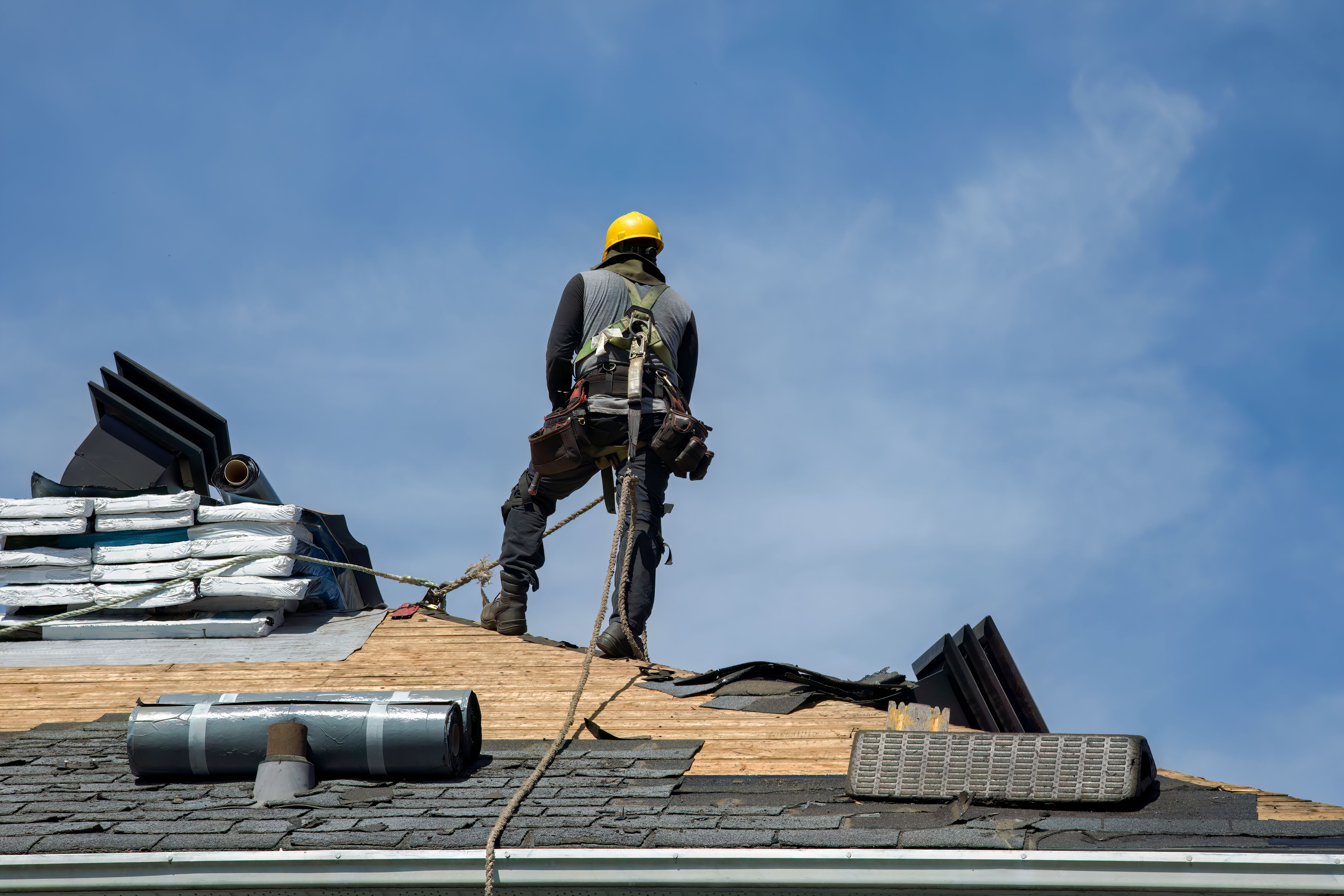
Some business owners believe that once a commercial roof is installed, it requires little to no maintenance. This is a dangerous misconception. Regular maintenance is crucial to extend the lifespan of a roof and prevent costly repairs. Routine inspections can identify minor issues before they escalate into significant problems.
Maintenance tasks may include cleaning debris, checking for leaks, and ensuring proper drainage. A well-maintained roof can last for decades, saving money in the long run.
Misconception 4: DIY Repairs Are Sufficient
Many people think they can handle roofing repairs themselves. However, commercial roofing is complex and requires specialized skills and equipment. Attempting DIY repairs can lead to further damage and increase the risk of accidents.
Hiring a professional roofing contractor ensures that repairs are done correctly and safely. Professionals have the expertise to identify issues that may not be visible to the untrained eye.
Conclusion: Making Informed Decisions
Understanding these common misconceptions about commercial roofing helps in making informed decisions. Whether you're considering a new installation or need maintenance on an existing roof, working with experienced professionals is key. By dispelling these myths, you can ensure the longevity and performance of your commercial roof, ultimately protecting your business investment.