Debunking Common Myths About Flat Roofing Systems
Flat roofing systems are often surrounded by misconceptions that can deter property owners from considering them. In this post, we aim to clarify these misunderstandings and provide a clearer perspective on the benefits and realities of flat roofs.
Myth 1: Flat Roofs Are Prone to Leaks
A common belief is that flat roofs are more susceptible to leaks than their sloped counterparts. While it's true that flat roofs require proper installation and maintenance, they are not inherently leak-prone. Modern flat roofing materials, such as modified bitumen and EPDM, are designed to be water-resistant and durable.
Proper drainage systems and regular inspections can help prevent leaks, ensuring the longevity of the roof. Routine maintenance is key to any roofing system, flat or otherwise.
Myth 2: Flat Roofs Are Not Durable
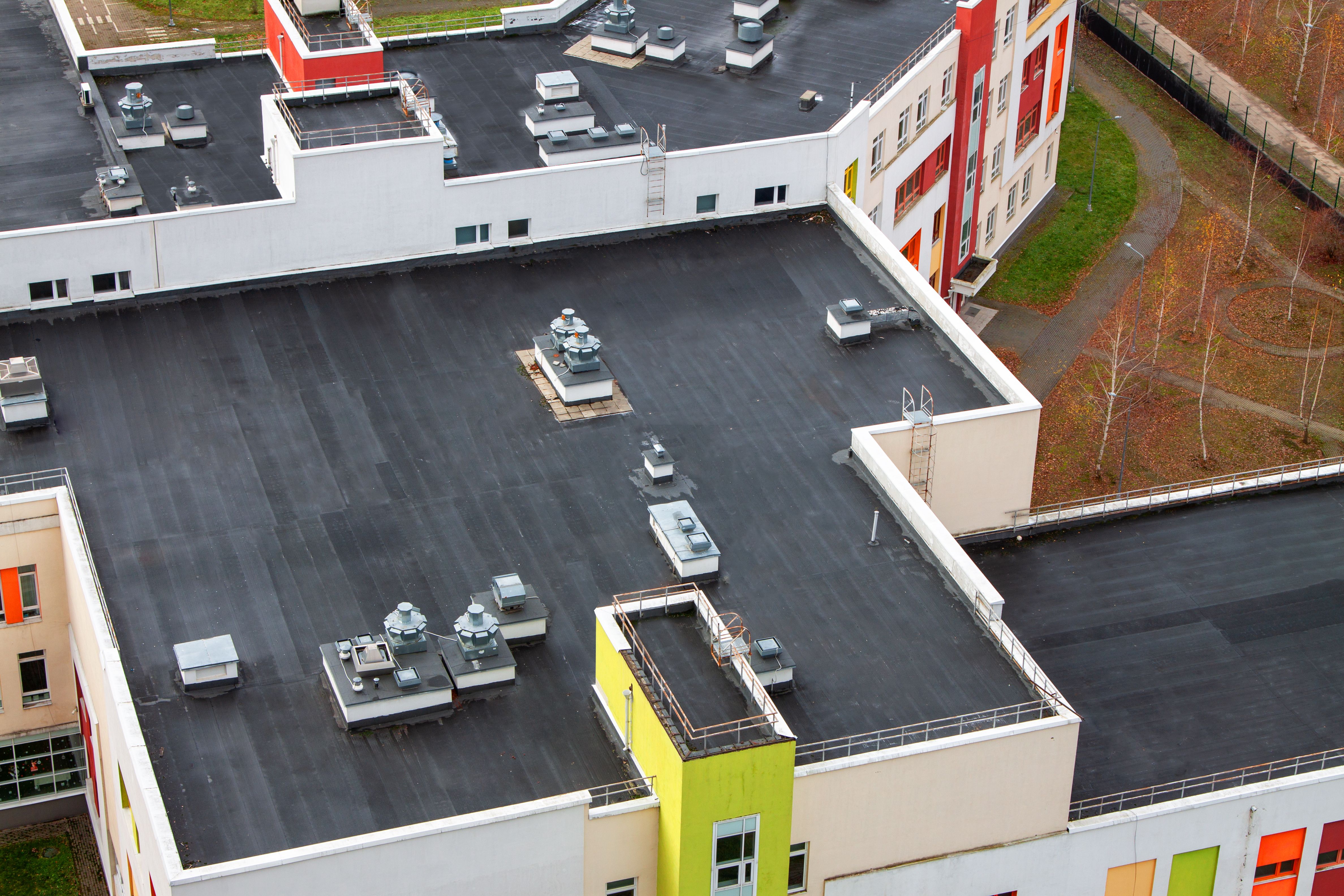
Another misconception is that flat roofs do not last as long as sloped roofs. In reality, the durability of a flat roof depends on the materials used and the quality of installation. Many flat roofing systems can last 20 to 30 years or more with proper care.
Choosing high-quality materials and working with experienced professionals can significantly enhance the lifespan of a flat roof. Regular maintenance and timely repairs also contribute to its durability.
Factors Influencing Durability
- Material selection
- Quality of installation
- Regular maintenance
- Climate conditions
Myth 3: Flat Roofs Are Not Energy Efficient
Many people assume that flat roofs are less energy-efficient than sloped roofs. However, flat roofs can be highly energy-efficient when properly insulated and designed. Reflective coatings and green roofing options can help reduce heat absorption, lowering cooling costs.
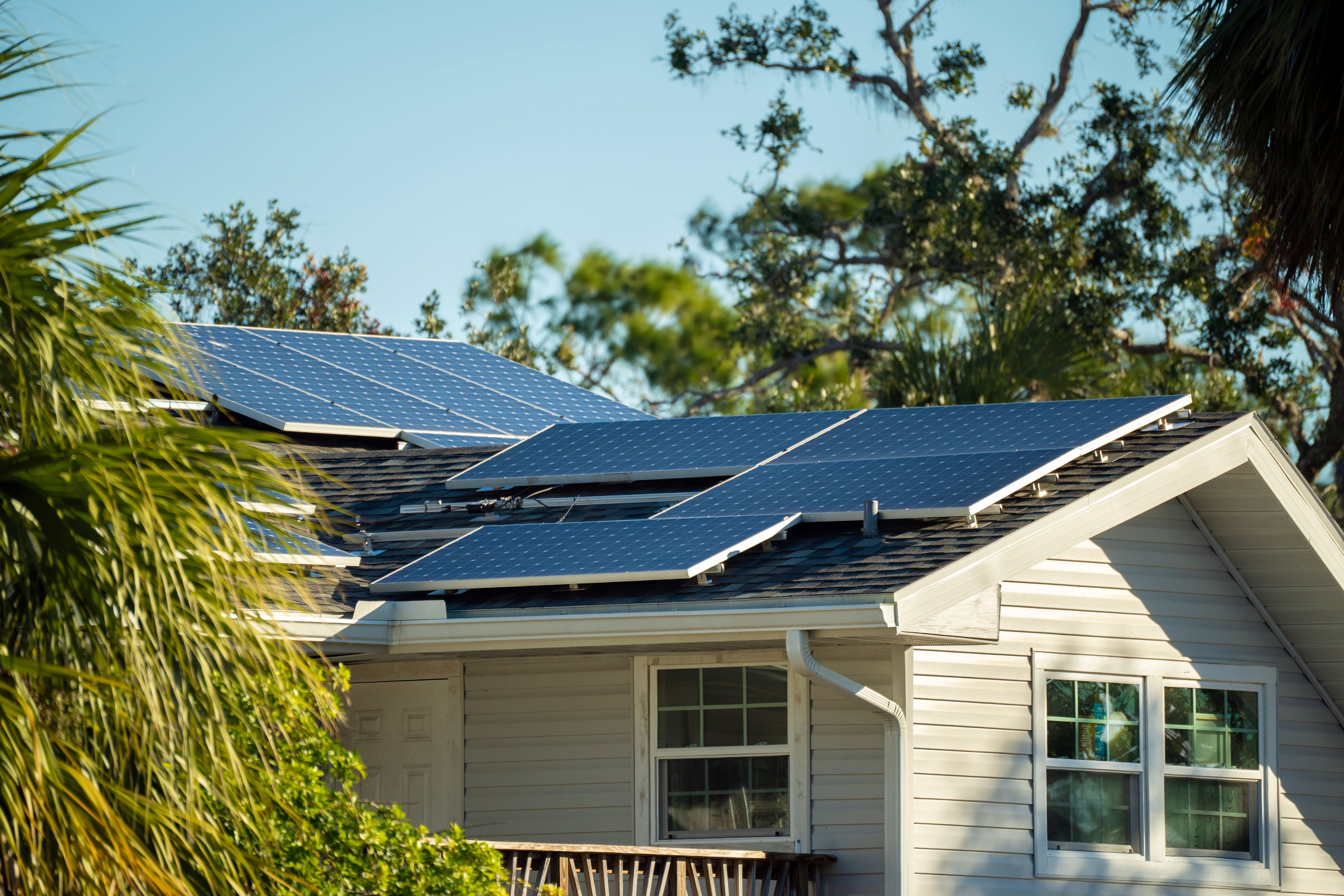
Additionally, flat roofs provide an ideal surface for solar panel installation, further enhancing energy efficiency and sustainability.
Myth 4: Flat Roofs Are Only for Commercial Buildings
While flat roofs are commonly seen on commercial buildings, they are also an excellent option for residential properties. Their modern aesthetic and space-saving design make them an attractive choice for contemporary homes.
Homeowners can utilize the flat roof space for rooftop gardens, terraces, or additional living areas, offering versatility and added value to the property.
Advantages for Residential Use
- Utilizable space for gardens or terraces
- Modern aesthetic appeal
- Easy installation of solar panels
In conclusion, flat roofing systems offer various benefits and are a viable option for both commercial and residential buildings. By debunking these myths, property owners can make more informed decisions and reap the benefits of a well-installed flat roof.