Exploring the Latest Trends in Commercial Roofing Materials and Technology
The world of commercial roofing is witnessing rapid advancements, with new materials and technologies transforming how businesses protect their buildings. These innovations not only enhance durability and efficiency but also contribute to sustainability goals. Let's delve into the latest trends shaping the commercial roofing industry.
Advanced Roofing Materials
Cool Roofs
Cool roofing materials are designed to reflect more sunlight and absorb less heat compared to traditional roofing. This is achieved through the use of highly reflective paints, tiles, or shingles. By reducing the need for air conditioning, cool roofs can significantly lower energy costs and improve indoor comfort.
Green Roofs
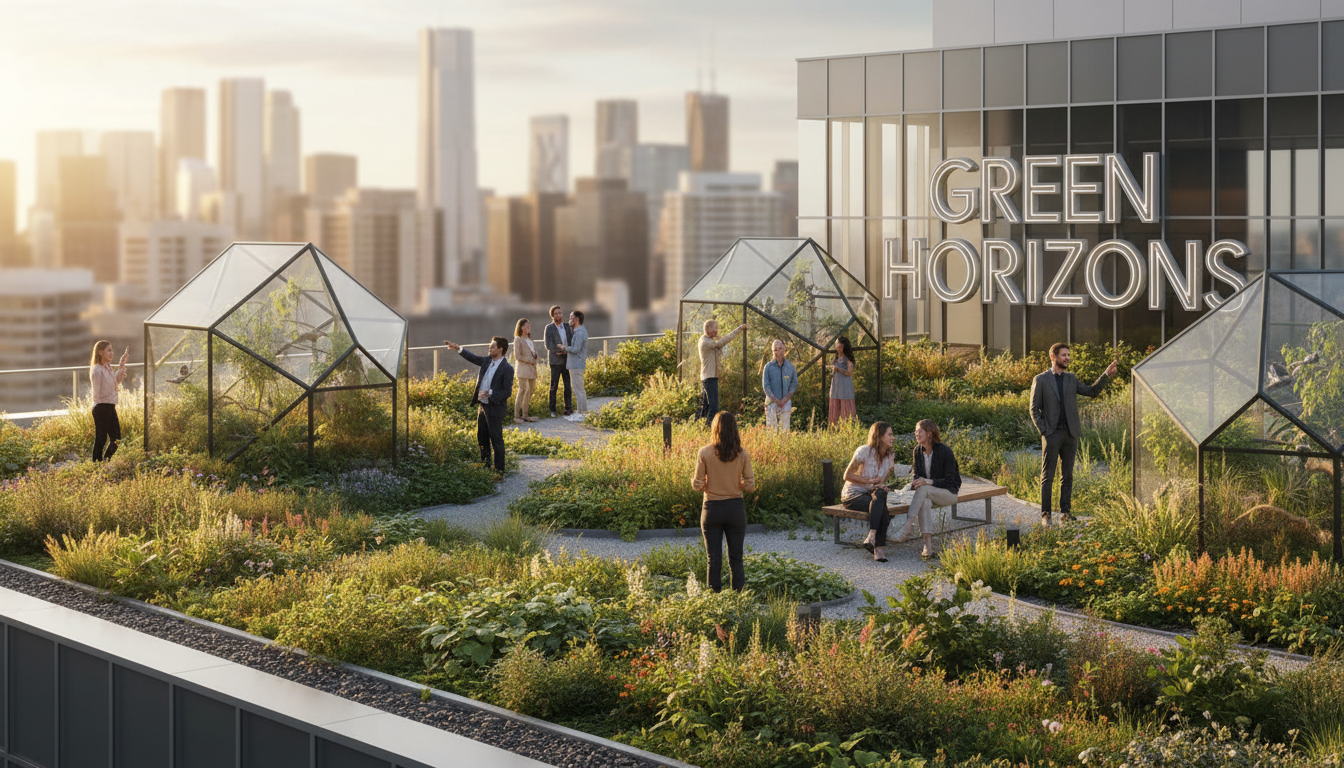
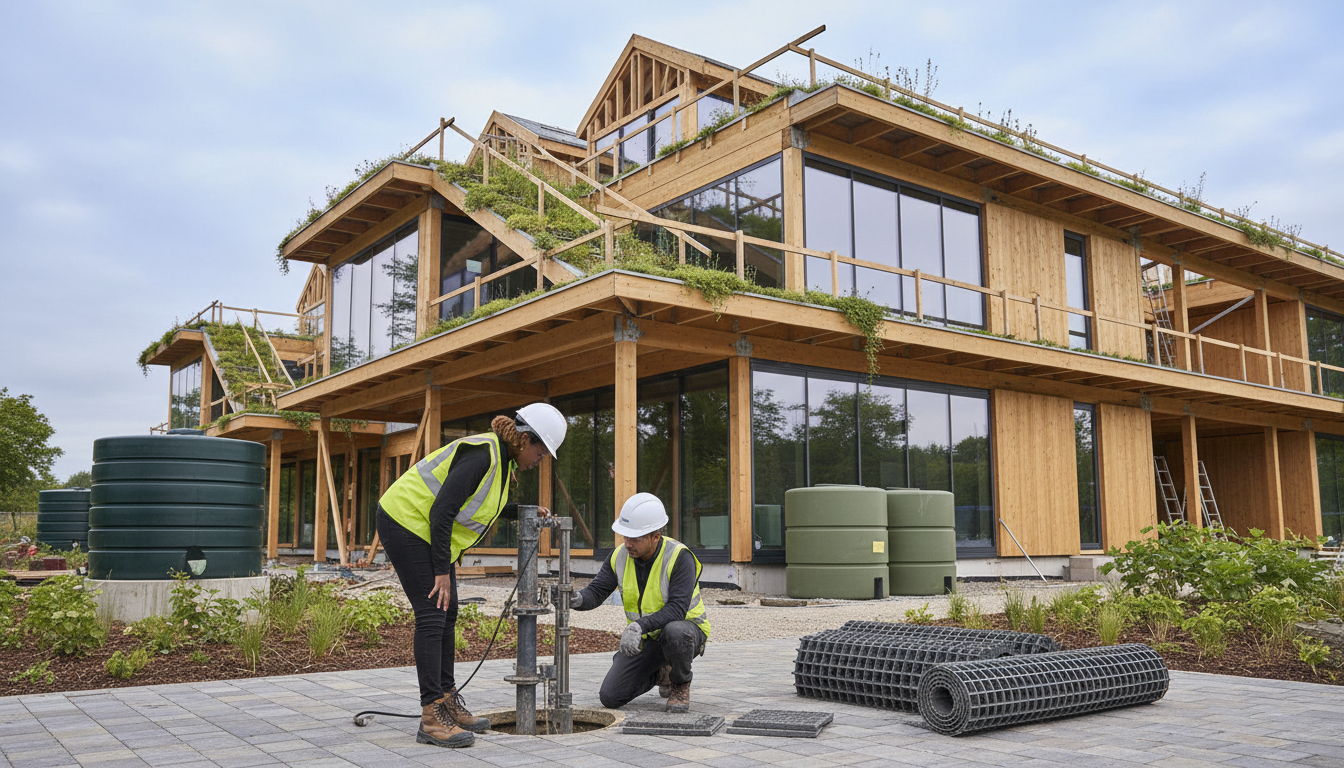
Green roofs, or vegetative roofs, are becoming increasingly popular in urban areas. They involve the installation of a layer of vegetation over a waterproofing system. Green roofs provide excellent insulation, reduce stormwater runoff, and enhance urban biodiversity. They also offer aesthetic benefits, transforming rooftops into lush gardens.
Innovative Roofing Technologies
Solar Roofing
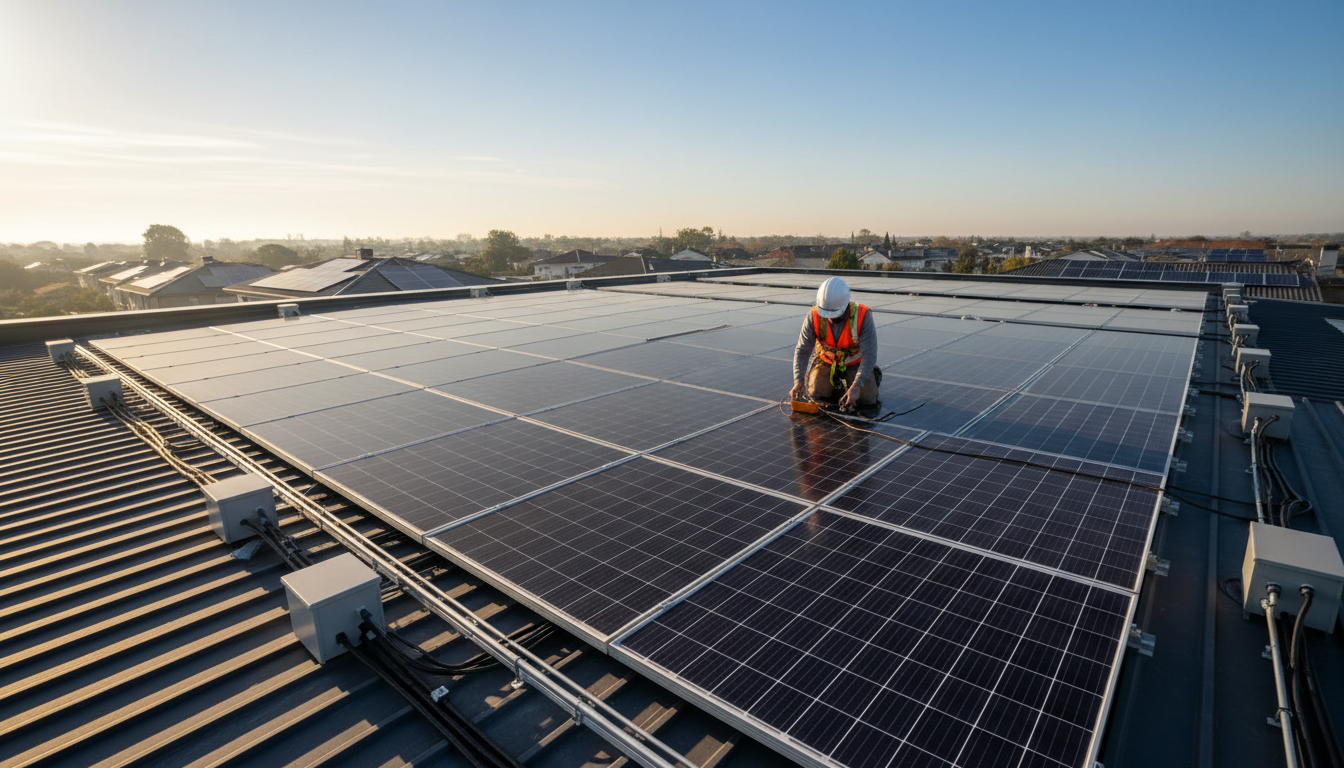
Solar roofing integrates solar panels directly into the roofing system, allowing buildings to harness solar energy without needing separate installations. This approach is gaining traction as businesses strive to reduce their carbon footprint. Solar roofs can generate a significant portion of a building's energy needs, offering long-term financial savings.
Smart Roofs
Smart roofing technology incorporates sensors and monitoring systems to provide real-time data on roof conditions. These systems can detect leaks, temperature variations, and structural issues, enabling proactive maintenance. By preventing costly damages, smart roofs offer peace of mind to building owners.
Sustainability and Environmental Impact
The push towards sustainable construction practices is driving the adoption of eco-friendly roofing materials. Recycled and recyclable materials are gaining popularity, as they help reduce landfill waste and resource consumption. Many manufacturers are now offering products that meet stringent environmental standards.
Additionally, the use of reflective roofing materials contributes to mitigating the urban heat island effect, where urban areas become significantly warmer than their rural surroundings. This can lead to reduced cooling demands and improved air quality.
Conclusion
The commercial roofing industry is evolving rapidly, with new materials and technologies offering exciting opportunities for businesses. By investing in innovative roofing solutions, companies can improve energy efficiency, reduce environmental impact, and enhance the longevity of their buildings. As these trends continue to develop, the future of commercial roofing looks promising, with sustainability and technology at the forefront.