FAQs About Commercial Roofing in Saint Paul: Answers from the Experts
Understanding Commercial Roofing in Saint Paul
When it comes to commercial roofing in Saint Paul, there are several common questions that property owners often ask. Understanding the nuances of commercial roofing can help you make informed decisions for your business. In this article, we address some of the most frequently asked questions, providing insights from industry experts.
What Types of Commercial Roofing Are Available?
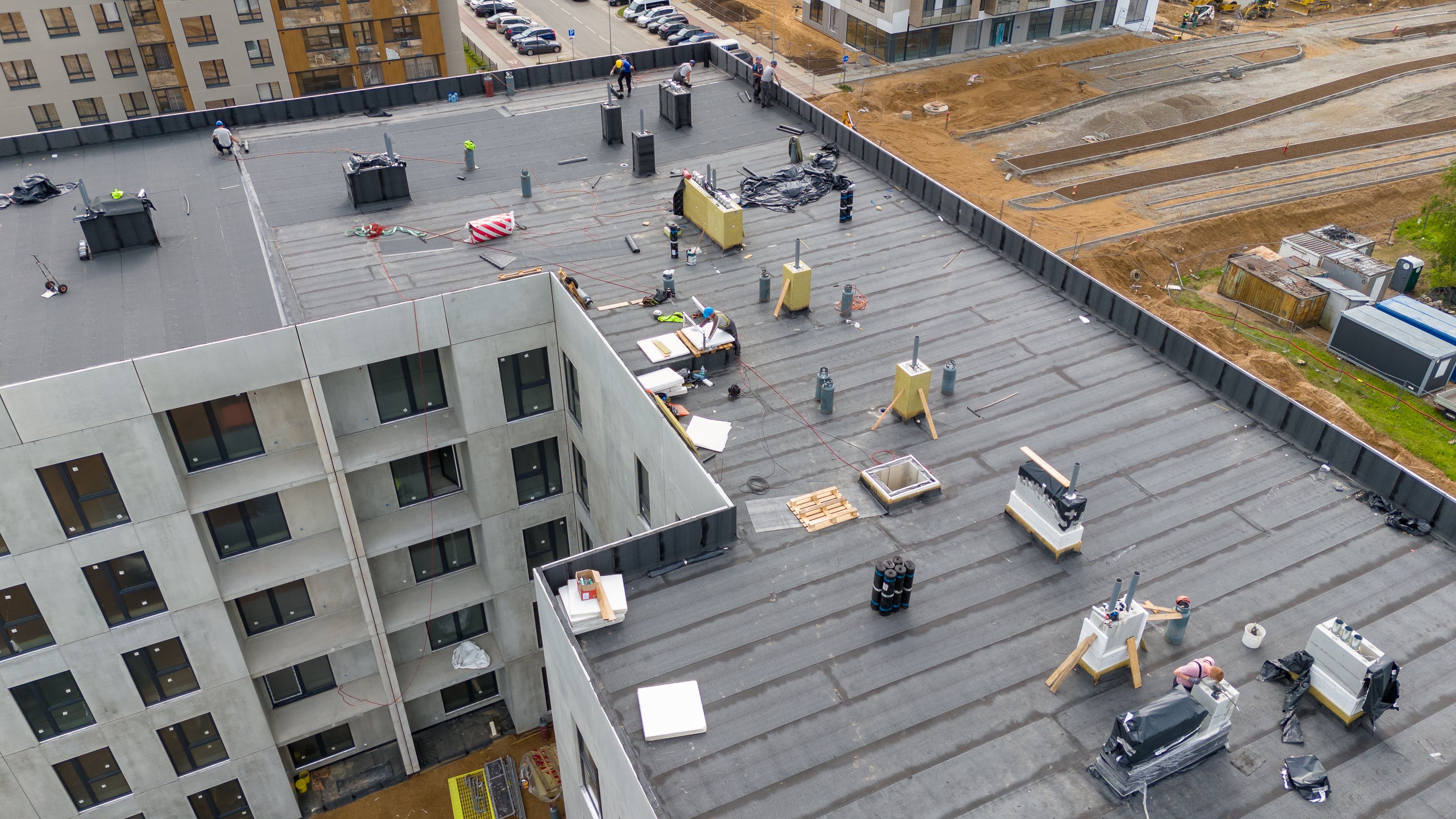
Commercial roofing systems come in various types, each with its own benefits. Some popular options include:
- Metal Roofing: Known for its durability and longevity.
- EPDM: A rubber membrane that's flexible and resistant to weather conditions.
- TPO: An energy-efficient option that reflects UV rays.
- Modified Bitumen: Offers excellent waterproofing and strength.
Choosing the right type depends on factors like the building’s structure, climate, and budget considerations.
How Often Should Commercial Roofs Be Inspected?
Regular inspections are crucial for maintaining the integrity of a commercial roof. Experts recommend conducting inspections at least twice a year, ideally in the spring and fall. This ensures any potential issues are identified and addressed before they escalate.
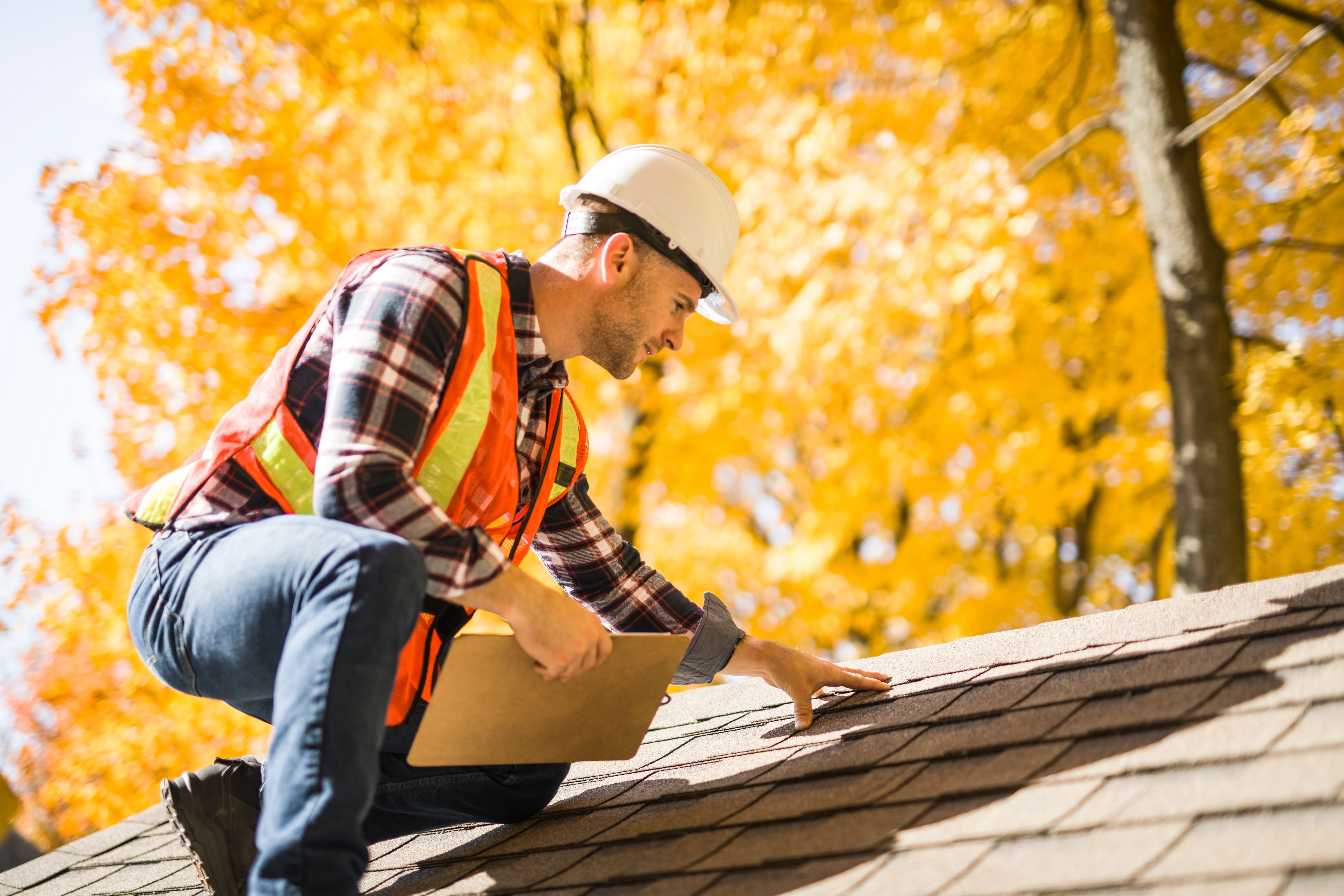
In addition to bi-annual inspections, it’s wise to arrange for a check-up after severe weather events, such as hailstorms or heavy winds, to assess any damage promptly.
What Are the Signs of Roof Damage?
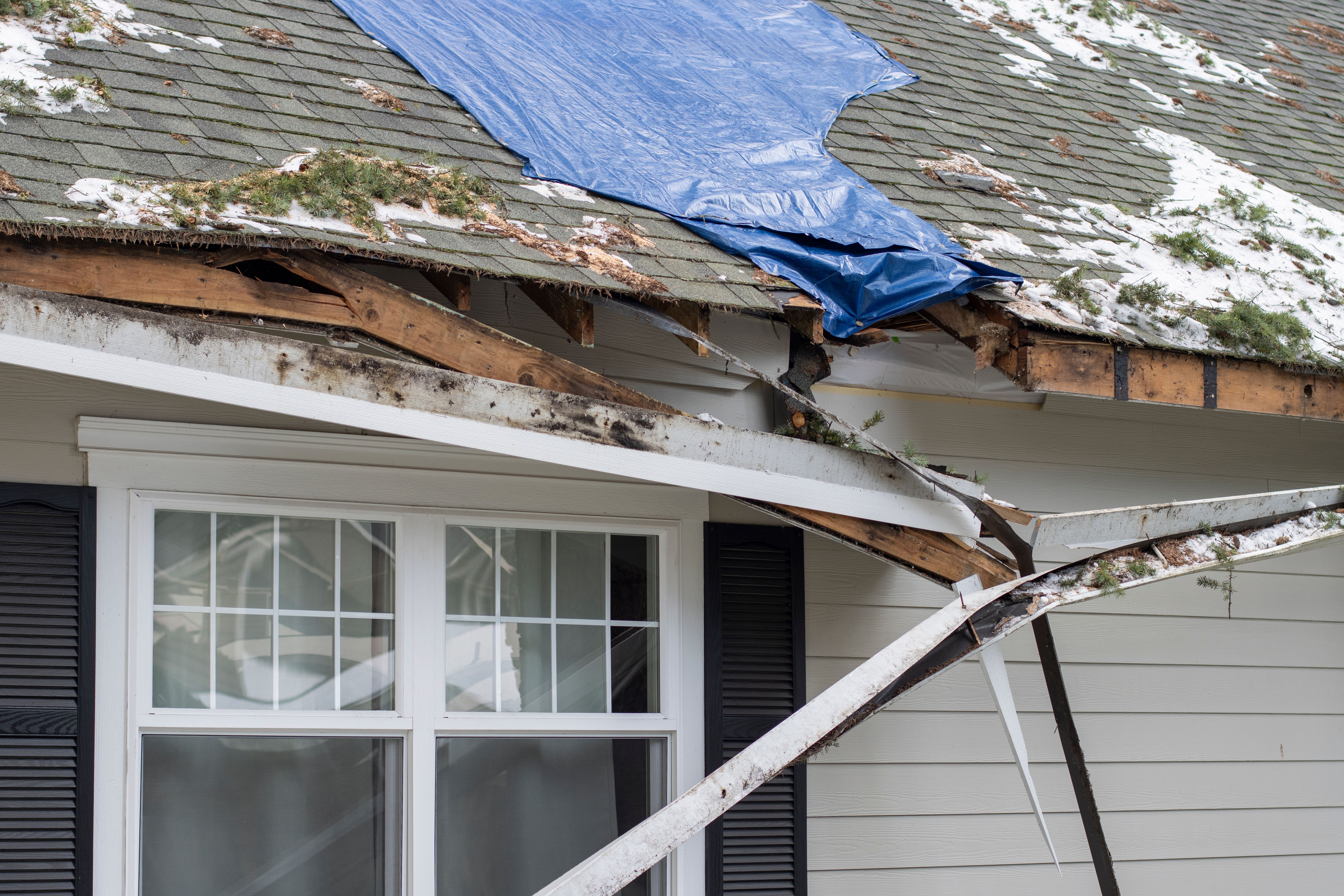
Recognizing the signs of roof damage early can save time and money. Look out for:
- Ponding water on the roof surface.
- Visible cracks or blisters in the roofing material.
- Water stains on ceilings or walls inside the building.
- Increased energy bills, which may indicate poor insulation.
If you notice any of these signs, it’s essential to consult with a roofing professional immediately.
How Can I Extend the Life of My Commercial Roof?
Extending the lifespan of your commercial roof involves proactive maintenance and timely repairs. Here are a few tips:
- Schedule regular maintenance with a professional roofing contractor.
- Keep the roof clean and free of debris.
- Ensure proper drainage to prevent water accumulation.
- Promptly repair any identified damages.
Implementing these practices can help you maximize your investment and ensure your roof lasts as long as possible.
Are There Energy-Efficient Roofing Options?
Yes, energy-efficient roofing options are available and becoming increasingly popular. TPO and cool roofs, for instance, are designed to reflect more sunlight and absorb less heat, reducing cooling costs and enhancing energy efficiency.
Choosing energy-efficient options not only benefits the environment but can also lead to significant savings on utility bills over time, making it a wise choice for many businesses.