How to Choose the Right Flat Roofing Material for Your Commercial Building
Understanding Your Options
Choosing the right flat roofing material for your commercial building is crucial for durability and energy efficiency. With various options available, understanding each material's benefits and drawbacks is essential. Here, we explore the most popular choices to help you make an informed decision.
Built-Up Roofing (BUR)
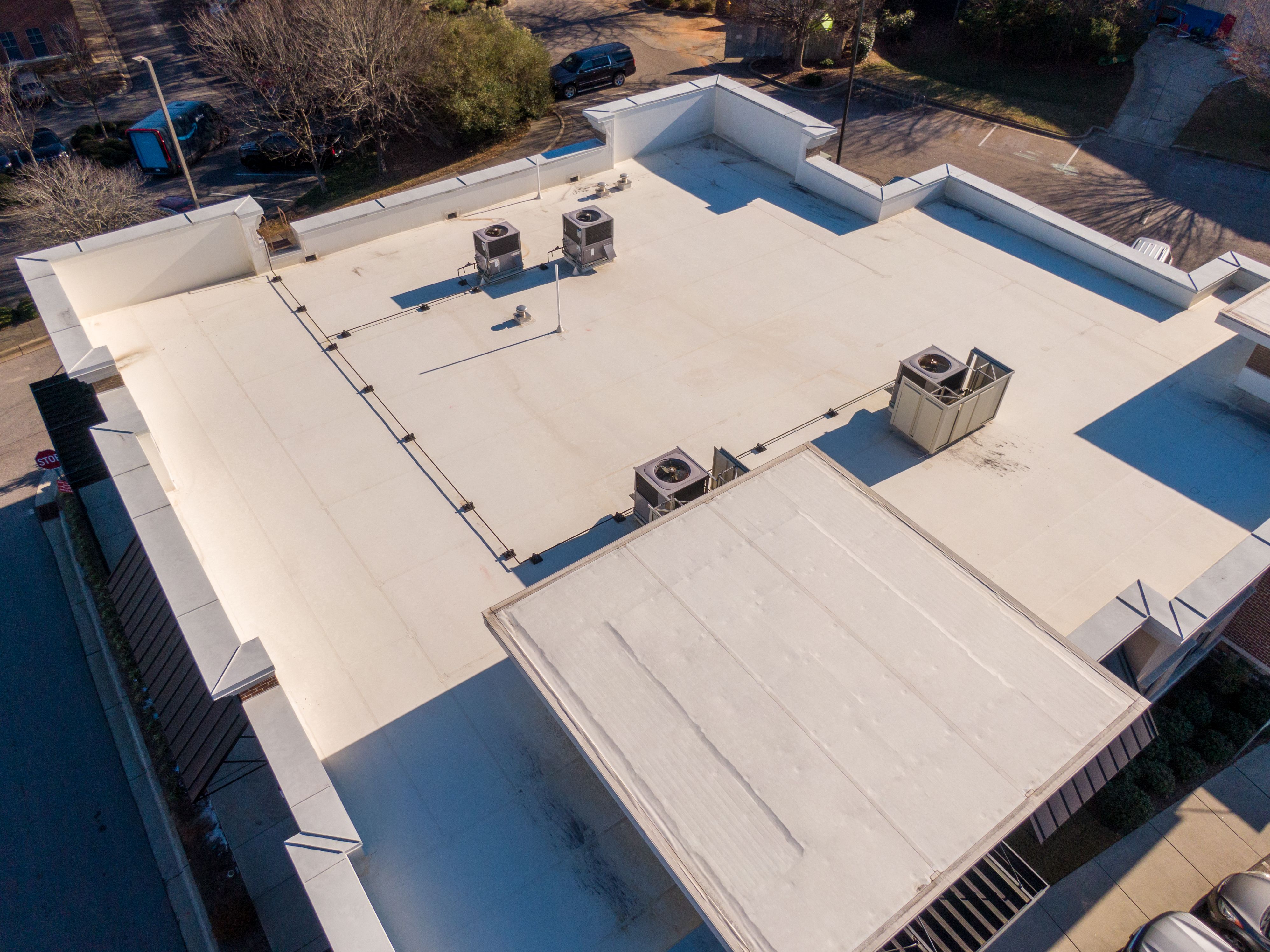
Built-up roofing, commonly known as BUR, is a traditional option that has been used for decades. It consists of multiple layers of bitumen and reinforcing fabrics, creating a thick, durable surface. BUR is known for its energy efficiency and excellent waterproofing properties.
One advantage of BUR is its ability to withstand heavy foot traffic, making it ideal for roofs that require regular maintenance. However, it can be more expensive and time-consuming to install compared to other materials.
Modified Bitumen
Modified bitumen is a modern alternative to traditional BUR. It combines asphalt with rubber or plastic polymers, providing enhanced flexibility and strength. This roofing material is often installed in rolls and can be applied using various techniques, including hot-mopping or cold adhesives.
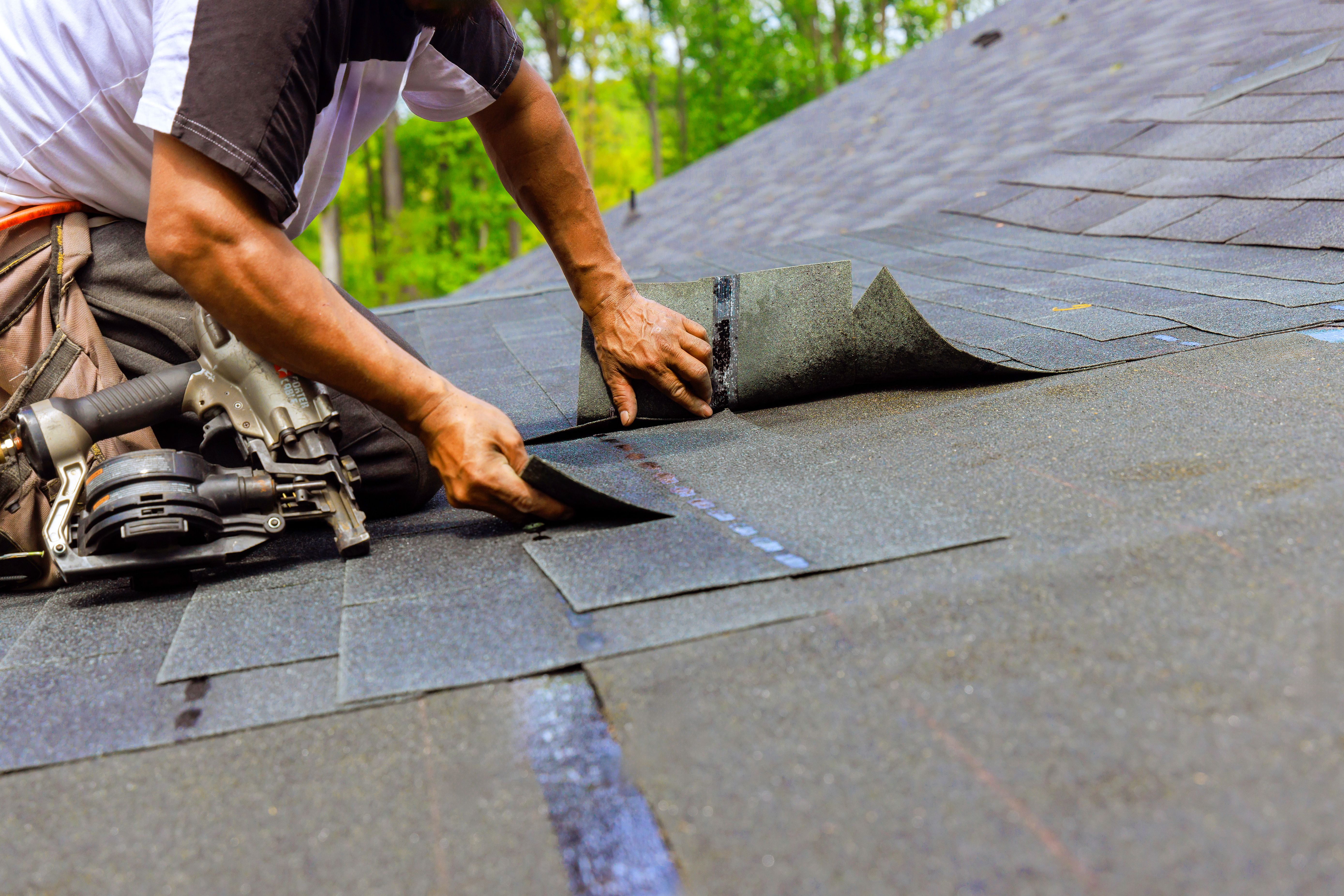
Modified bitumen is popular due to its ease of installation and resistance to extreme weather conditions. It's also relatively cost-effective, making it a preferred choice for many business owners.
Single-Ply Membranes
Single-ply membranes, such as TPO, EPDM, and PVC, are becoming increasingly popular for flat roofs. These materials are lightweight, easy to install, and provide excellent resistance to UV radiation and chemicals.
Each type has its unique benefits. For example, TPO is known for its energy efficiency, while EPDM offers excellent durability. PVC, on the other hand, provides superior chemical resistance. Consider your building's specific needs when choosing among these options.
Metal Roofing
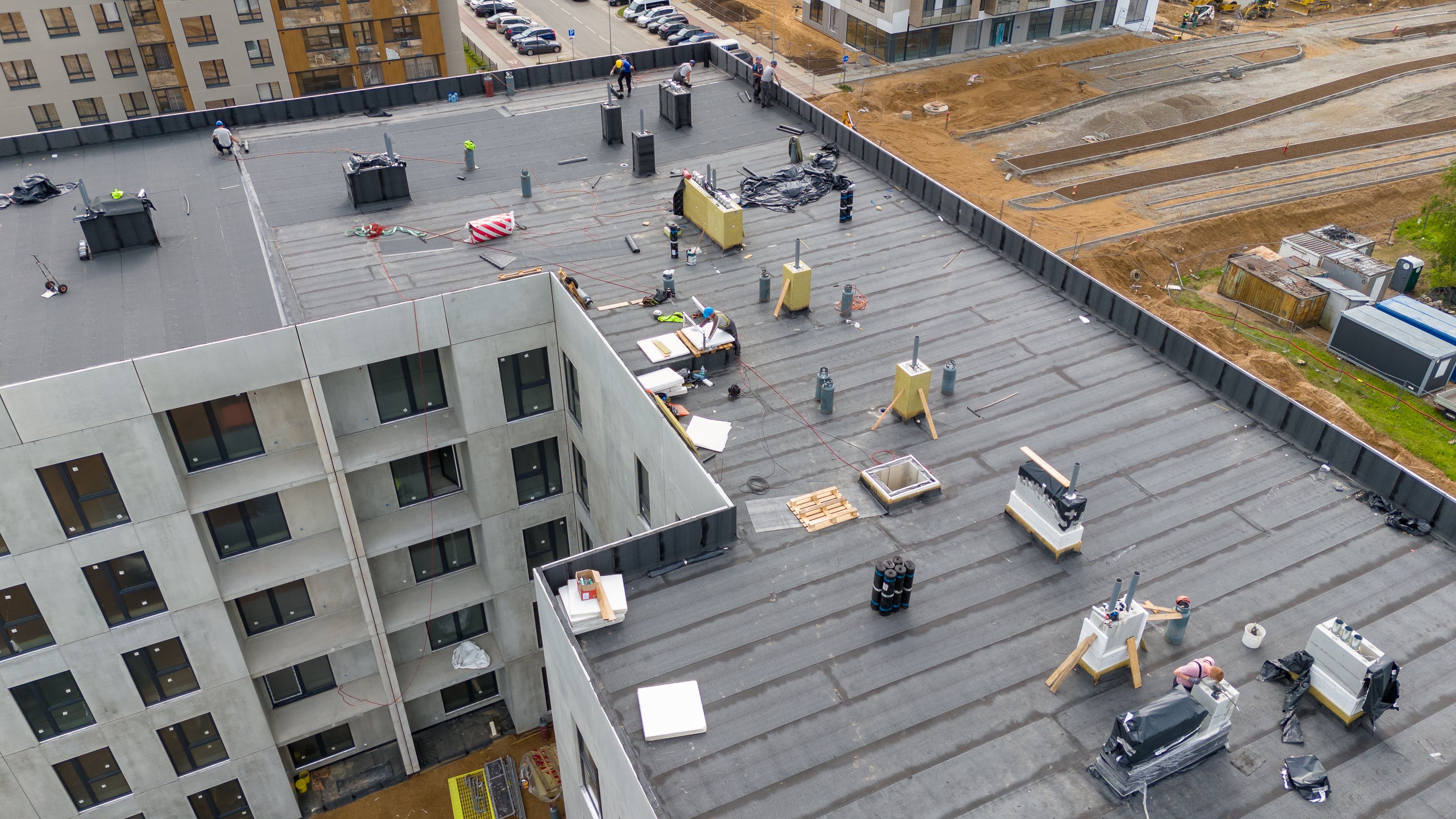
While traditionally used for sloped roofs, metal roofing is also a viable option for flat roofs. Materials like aluminum, steel, and copper offer exceptional durability and longevity. Metal roofs are resistant to fire, weather, and pests, making them an excellent long-term investment.
However, metal roofing can be more expensive initially. It's important to weigh the upfront costs against the long-term benefits when considering this option for your commercial building.
Factors to Consider
When selecting the right roofing material, consider factors such as climate, budget, and maintenance requirements. It's essential to choose a material that not only fits your budget but also meets the specific needs of your building's location and use.
Consulting with a professional roofing contractor can provide valuable insights into the best material for your commercial building. Their expertise can help guide you toward a choice that ensures durability and efficiency for years to come.