The Ultimate Guide to Flat Roofing for Commercial Buildings
Understanding Flat Roofing
Flat roofing has become a popular choice for commercial buildings due to its modern look and cost-effectiveness. Unlike traditional sloped roofs, flat roofs offer a sleek design that complements contemporary architecture. Understanding the basics of flat roofing can help business owners make informed decisions about their roofing needs.
Flat roofs are generally constructed with a slight pitch to facilitate water drainage. While they appear level, this subtle incline is crucial for preventing water accumulation. Various materials can be used for flat roofing, including modified bitumen, TPO, and EPDM. Each material has its own benefits and drawbacks, making it essential to choose the right one for your specific needs.
Types of Flat Roofing Materials
There are several types of materials commonly used in flat roofing, each offering distinct advantages. Here are some popular options:
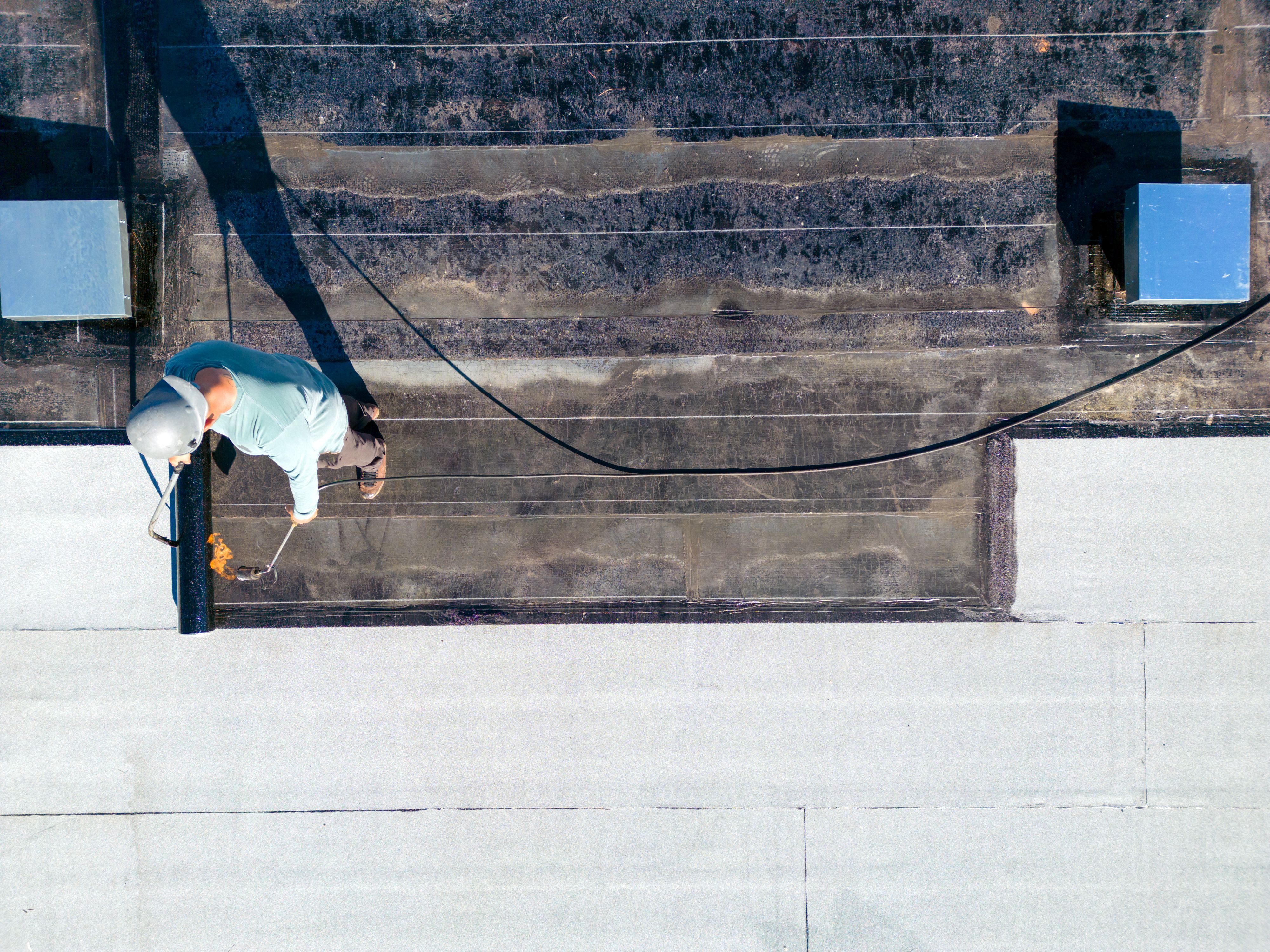
- Modified Bitumen: Known for its durability and ease of installation, modified bitumen is an excellent choice for many companies. It offers strong resistance to weather and aging.
- TPO (Thermoplastic Olefin): This material is praised for its energy efficiency. Its reflective surface helps reduce energy costs, making it an environmentally friendly option.
- EPDM (Ethylene Propylene Diene Monomer): EPDM is a synthetic rubber membrane that provides excellent weather resistance, particularly in colder climates.
Benefits of Flat Roofing
The advantages of flat roofing extend beyond aesthetics. One of the most significant benefits is the ease of maintenance. Flat roofs provide easy access for inspections and repairs, reducing long-term maintenance costs. Additionally, they offer increased space for HVAC systems, solar panels, and rooftop gardens.
Flat roofs also present cost benefits. The materials and installation processes are often less expensive than those required for pitched roofs. This affordability, combined with their energy efficiency, makes flat roofs a smart investment for many businesses.

Challenges and Considerations
While flat roofs offer many benefits, they also come with some challenges. Proper drainage is crucial to prevent water pooling, which can lead to leaks and structural damage. Regular inspections and maintenance are necessary to ensure that drainage systems remain functional.
Choosing the right materials and installation professionals is equally important. Working with experienced contractors can prevent common issues such as improper sealing or inadequate insulation. It's essential to evaluate the specific needs of your building and climate to select the best roofing solution.
Installation and Maintenance Tips
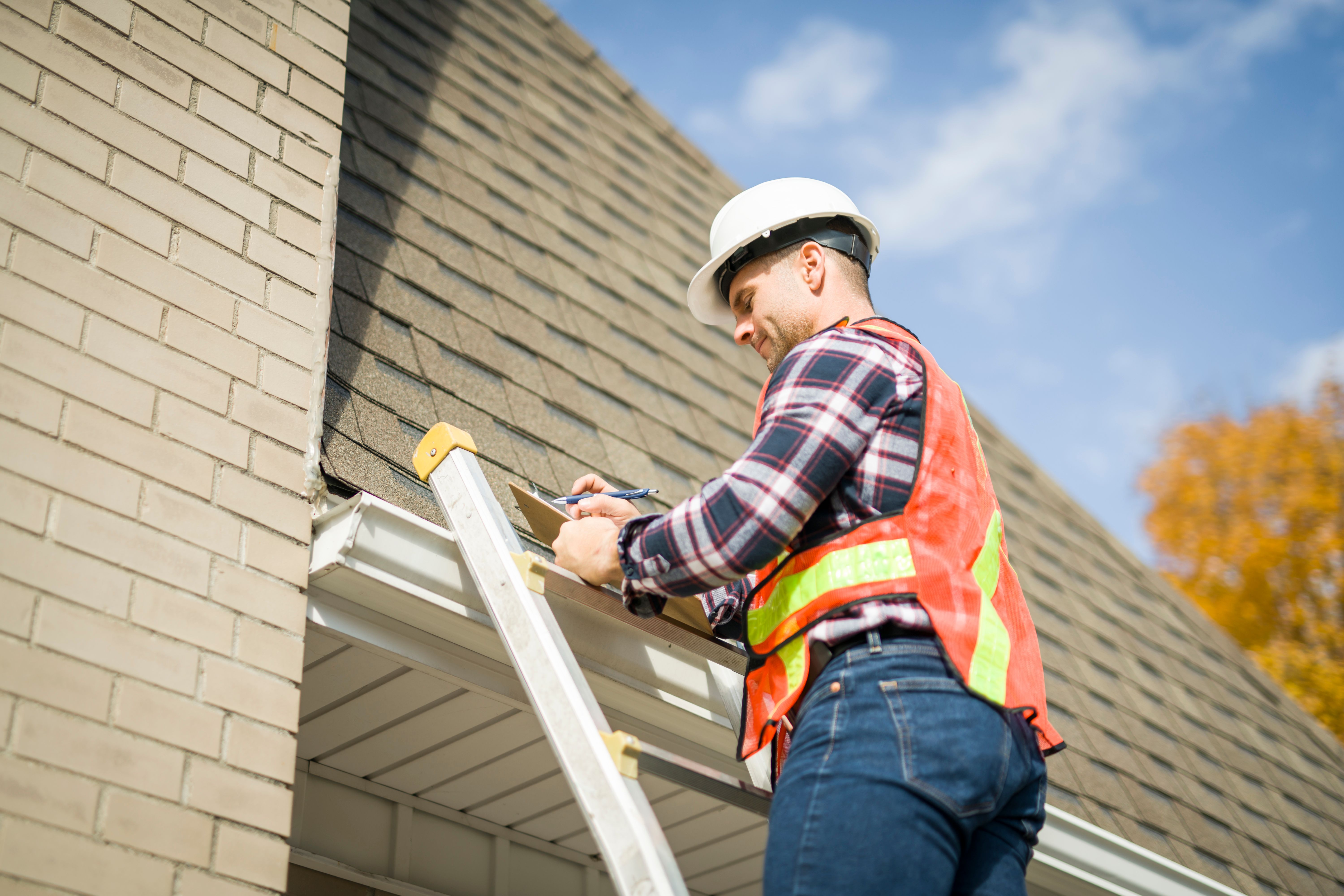
When installing a flat roof, always employ professional contractors with experience in commercial roofing. Proper installation ensures longevity and performance. Regular maintenance should include checking for debris, inspecting seals, and ensuring proper drainage.
Consider implementing a maintenance schedule that includes bi-annual inspections. This proactive approach can help identify potential issues before they become costly problems, ultimately extending the lifespan of your flat roof.