The Ultimate Guide to Roof Maintenance Services for Commercial Buildings
Maintaining the roof of a commercial building is crucial for protecting your investment and ensuring the safety of its occupants. Regular roof maintenance can extend the life of your roof, prevent costly repairs, and maintain the structural integrity of the entire building.
Why Roof Maintenance is Essential
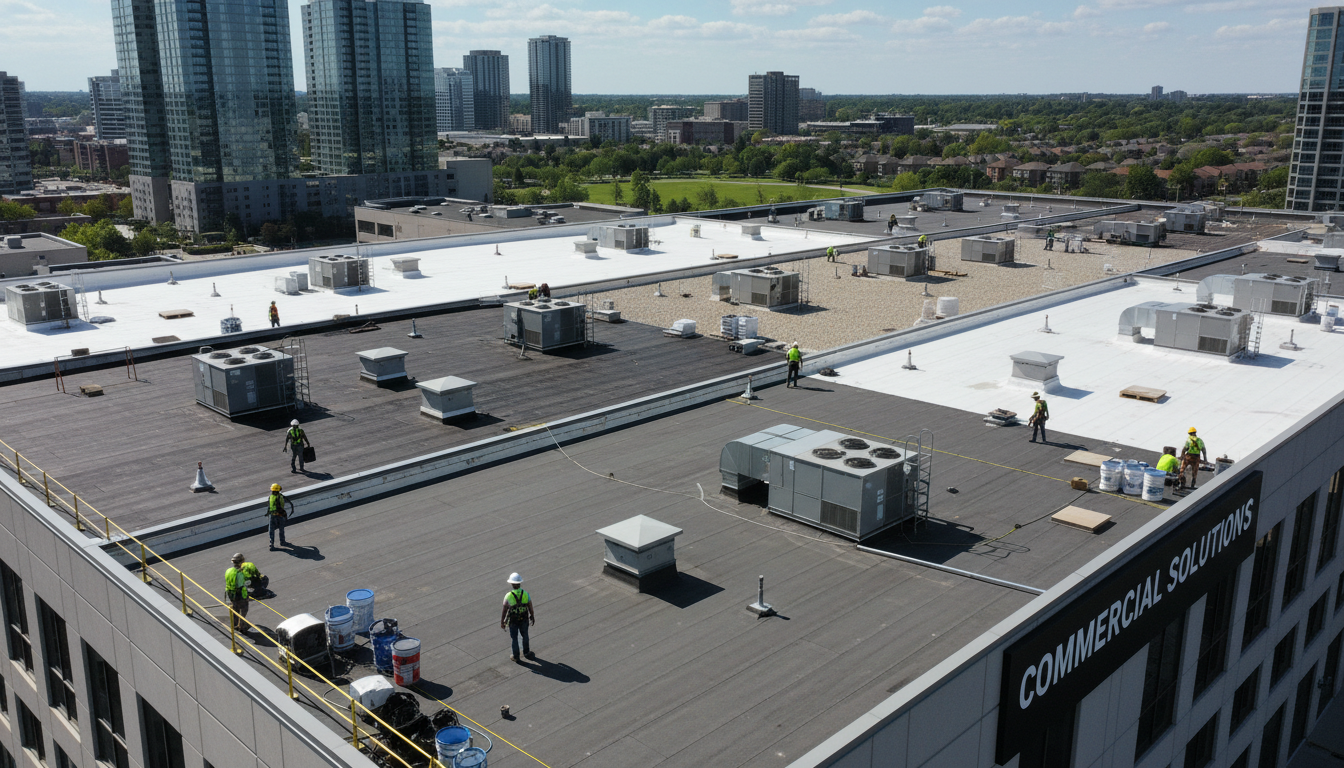
A well-maintained roof is the first line of defense against the elements. Over time, exposure to sun, wind, rain, and snow can cause wear and tear. Without regular upkeep, minor issues can escalate into significant problems, leading to leaks, mold, and even structural damage.
Regular inspections can identify potential issues before they become costly repairs. Investing in routine maintenance can save money in the long run and provide peace of mind.
Key Components of Roof Maintenance
Regular Inspections
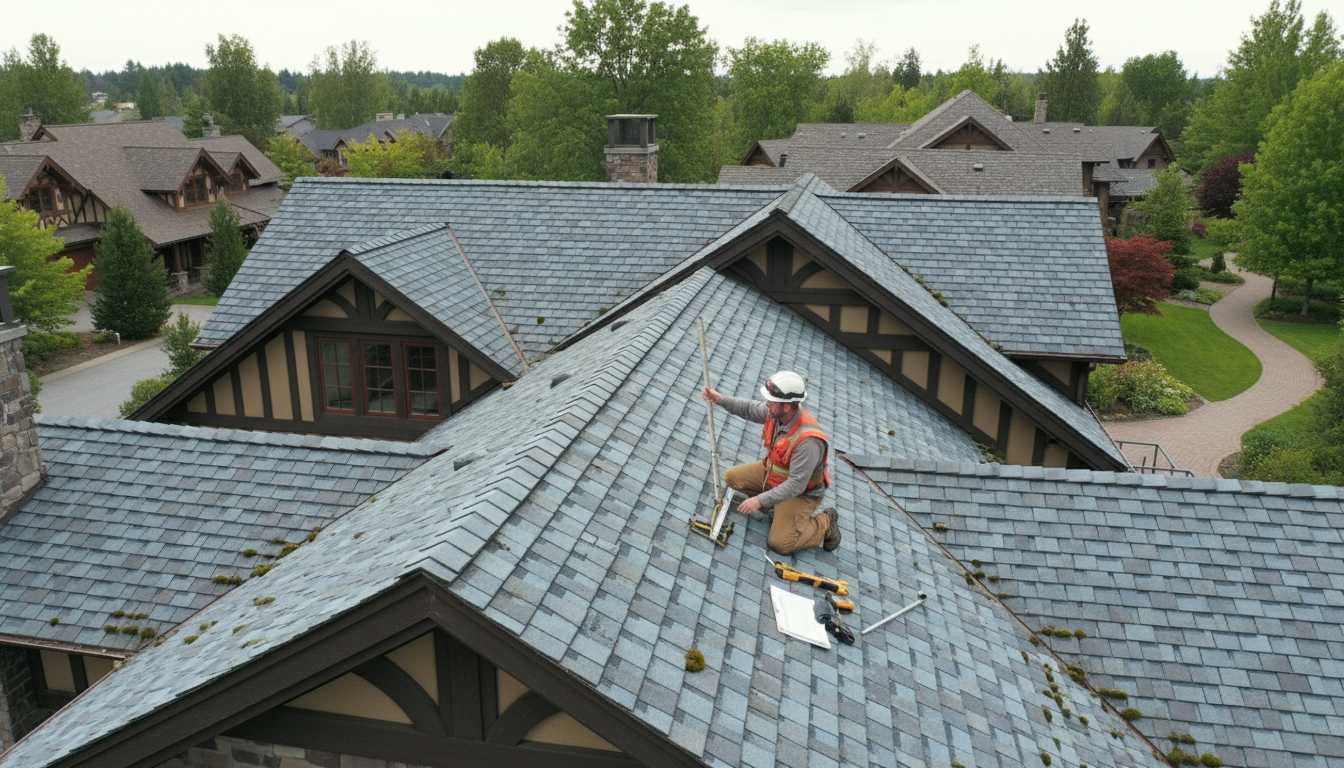
Inspections should be conducted at least twice a year, ideally in spring and fall. A professional roofer will check for signs of damage, including cracks, leaks, and wear around seams and joints.
Cleaning and Debris Removal
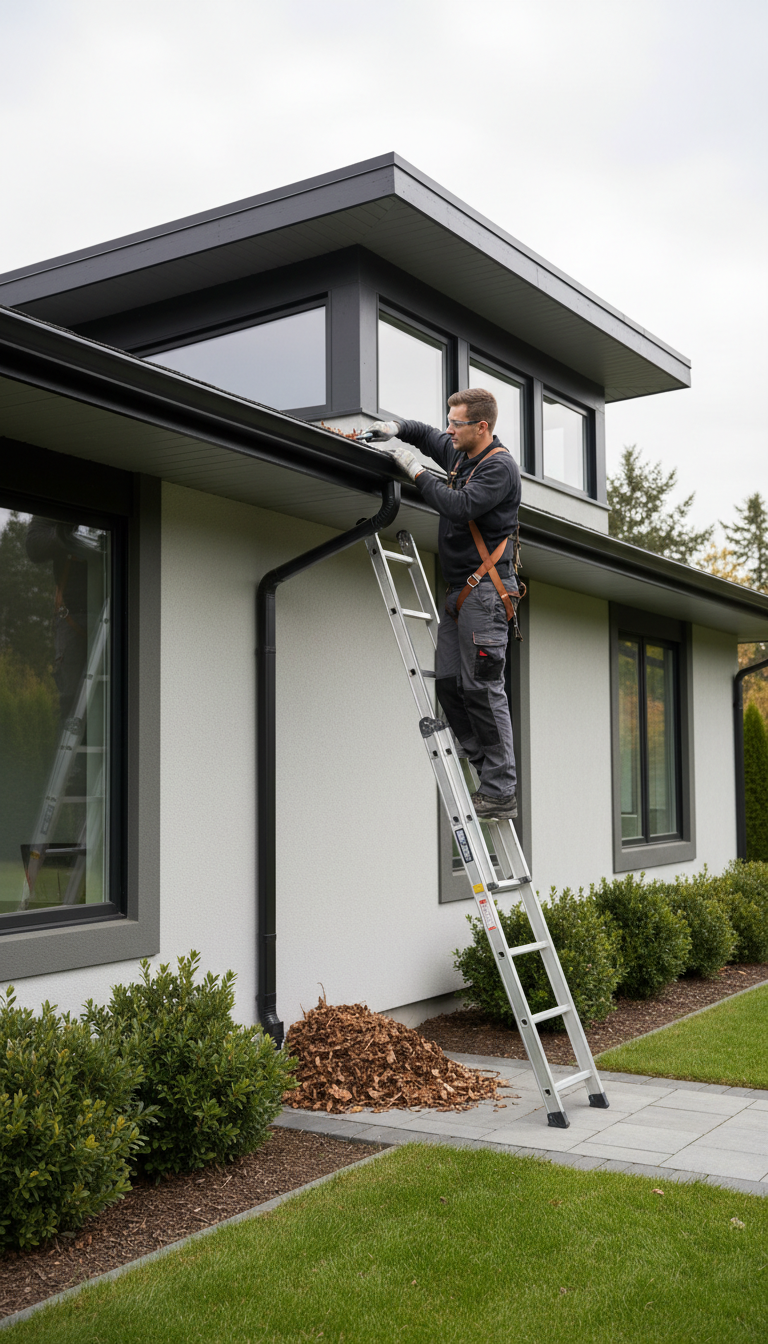
Debris, such as leaves and branches, can accumulate on a roof, leading to water pooling and increased weight. Regular cleaning prevents these issues and ensures proper drainage.
- Clear gutters and downspouts
- Remove debris from roof surfaces
- Trim overhanging branches
Repairing Damaged Areas
Addressing minor damage promptly can prevent more extensive issues. Repairs might include patching small leaks, replacing damaged shingles, or sealing cracks.
Hiring Professional Services
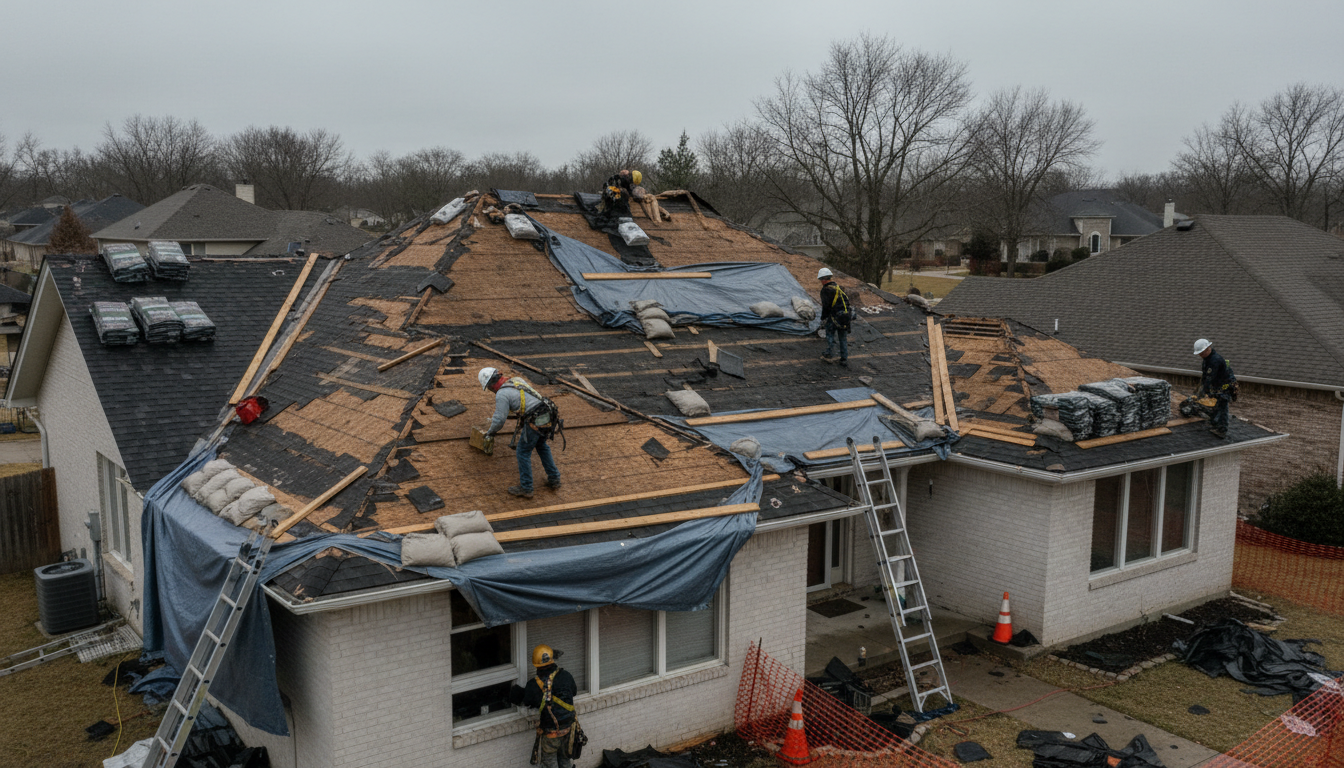
While some maintenance tasks can be handled in-house, hiring a professional roofing service ensures thorough inspections and expert repairs. Professionals have the experience and equipment to safely and effectively maintain commercial roofs.
When selecting a service, consider the following:
- Experience and expertise in commercial roofing
- Reputation and customer reviews
- Licensing and insurance
Planning a Maintenance Schedule
Creating a maintenance schedule tailored to your building's specific needs ensures consistent care. Consider factors like the roof's age, material, and local climate conditions when planning your routine.
Include regular inspections and cleanings, and remain flexible to accommodate unexpected repairs. A proactive approach will help maintain the roof's integrity and extend its lifespan.
In conclusion, regular roof maintenance is an essential aspect of managing a commercial building. By understanding the importance of inspections, cleaning, repairs, and professional services, you can protect your investment and ensure the safety and comfort of all building occupants.