Top Green Improvements for Your Commercial Roof
Why Consider Green Roofing?
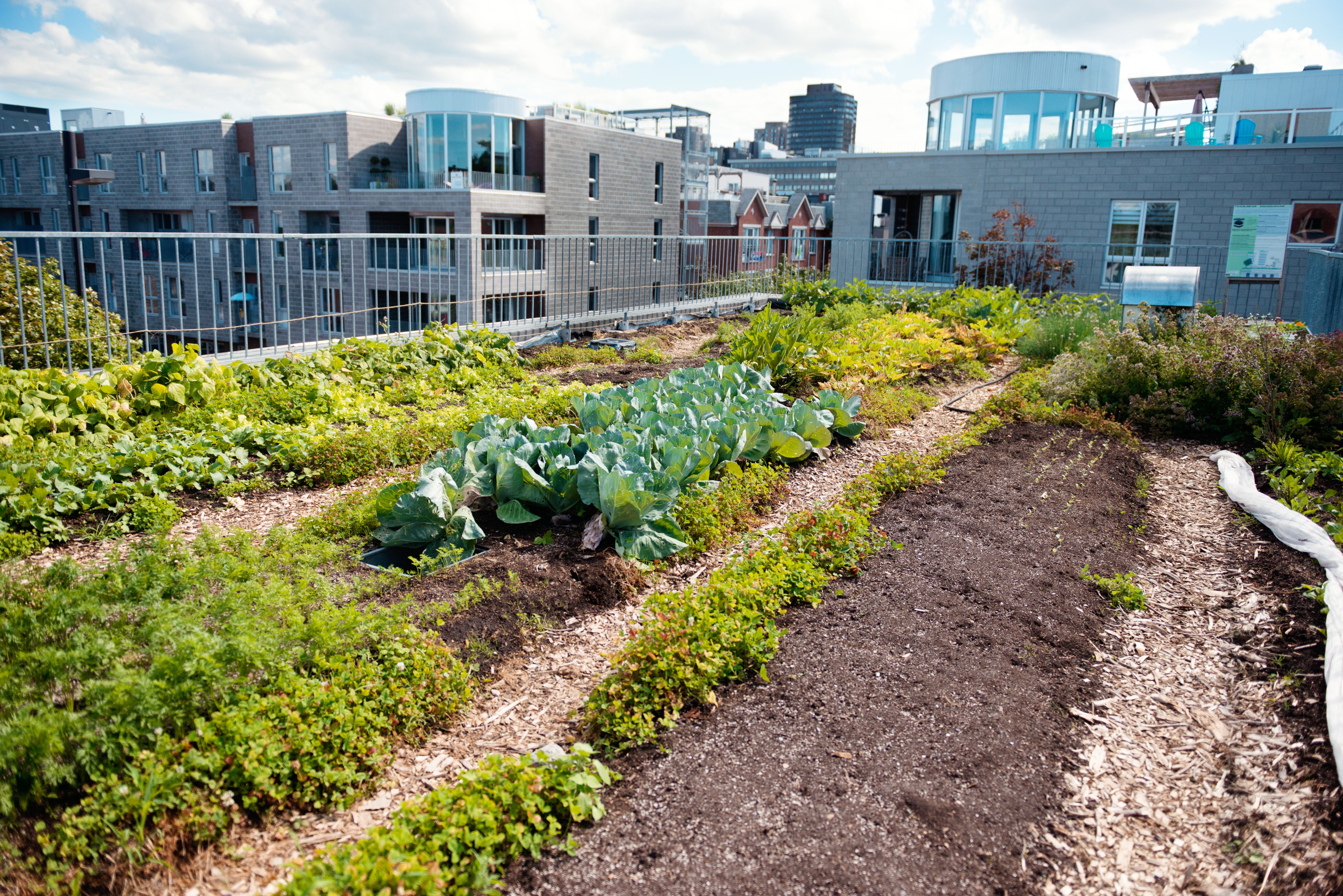
As businesses strive to reduce their carbon footprints, green roofing has emerged as an effective way to contribute positively to the environment. A green roof, also known as a living roof, is covered with vegetation and soil or a growing medium, planted over a waterproofing membrane. Beyond its aesthetic appeal, a green roof offers numerous environmental benefits, such as improved air quality, decreased energy consumption, and enhanced biodiversity.
Implementing green improvements to your commercial roof can also increase the value of your property and provide a unique selling point for eco-conscious clients. In this blog post, we'll explore some top green improvements you can make to your commercial roof.
Installing Solar Panels
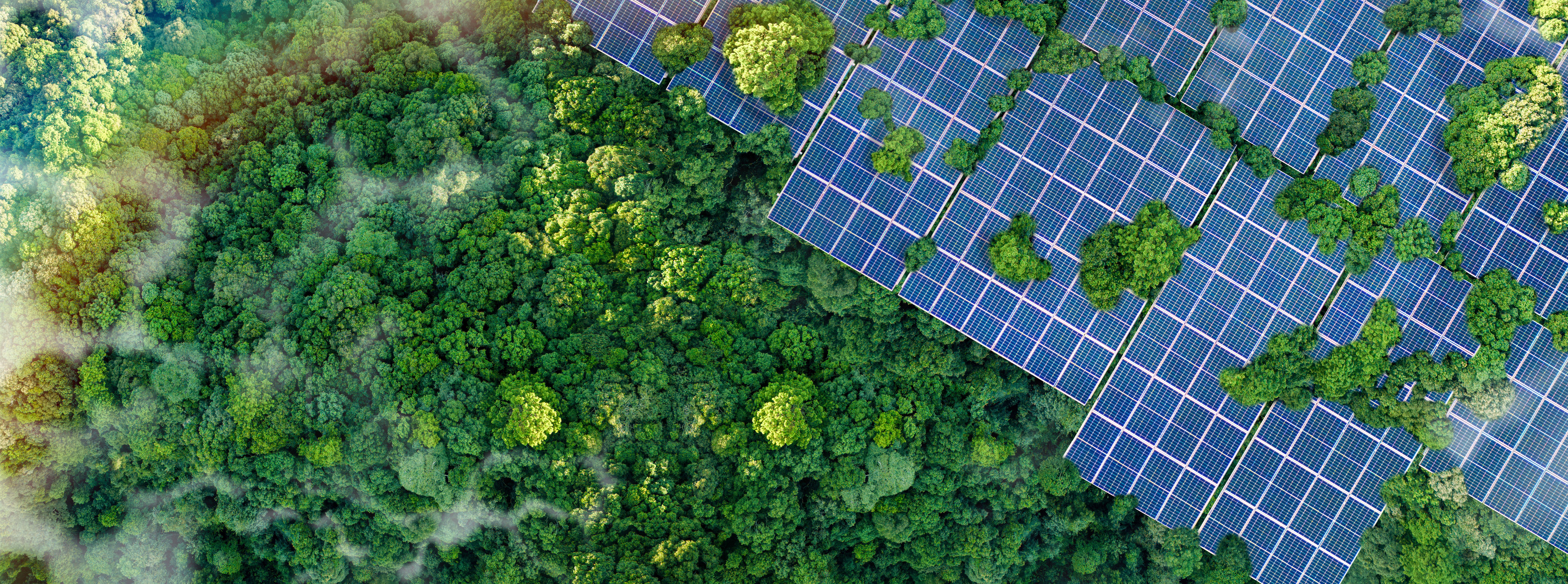
Solar panels are one of the most popular options for enhancing the sustainability of a commercial roof. By harnessing solar energy, businesses can significantly reduce their reliance on non-renewable energy sources. Solar panels convert sunlight into electricity, which can be used to power your building, and any excess energy can be fed back into the grid, potentially earning you credits.
While the initial investment may seem high, the long-term savings on energy bills and potential tax incentives make solar panels a financially viable option. Additionally, showcasing your commitment to renewable energy can enhance your brand's reputation among eco-conscious consumers.
Green Roof Systems
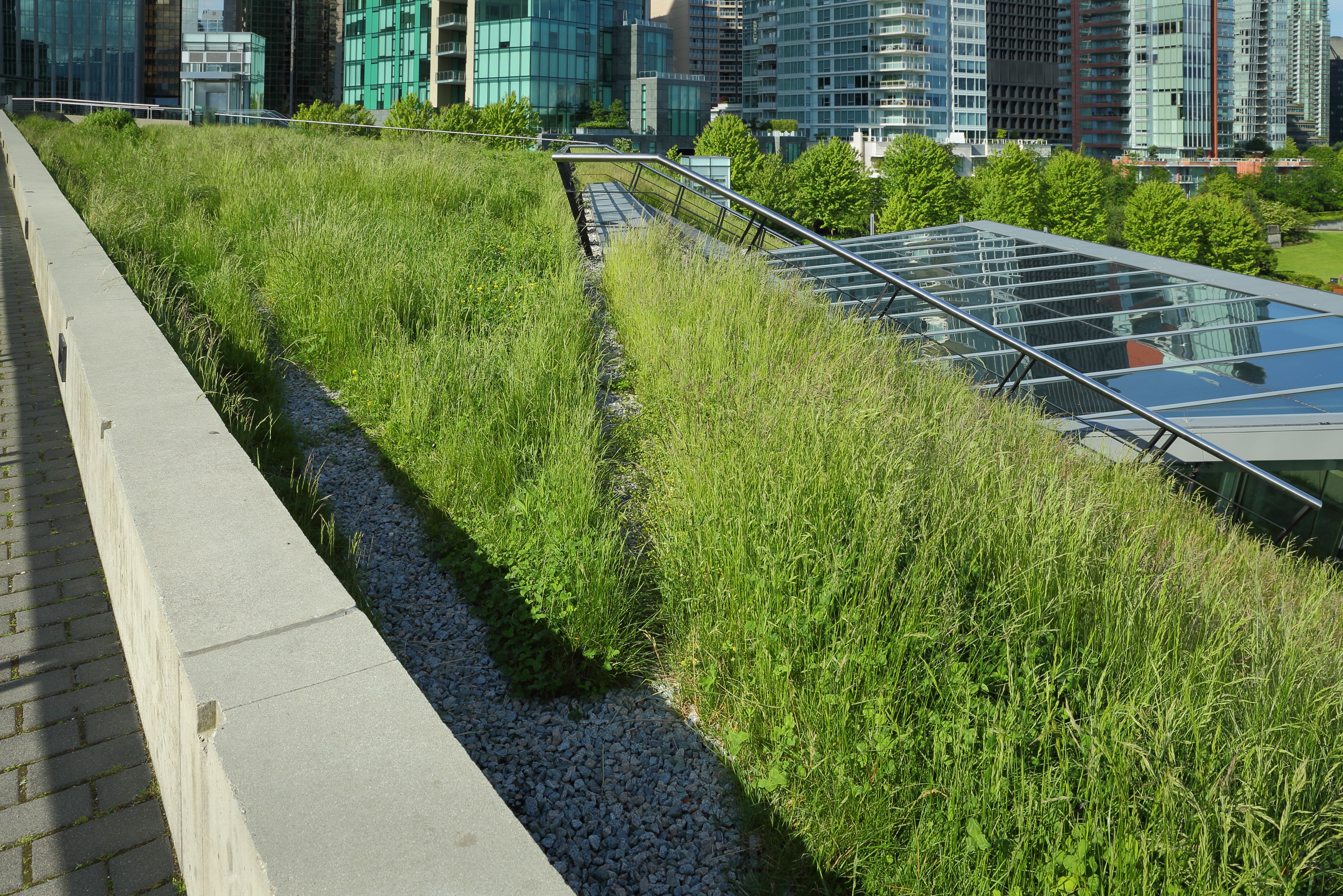
Green roof systems are becoming increasingly popular in urban areas due to their ability to reduce the urban heat island effect and improve air quality. These systems consist of a waterproofing layer, a root barrier, a drainage system, and a growing medium for plants. Not only do they provide insulation, reducing heating and cooling costs, but they also absorb rainwater, decreasing stormwater runoff.
There are two main types of green roofs: extensive and intensive. Extensive roofs are lighter with a thin soil layer, suitable for large areas, while intensive roofs are deeper, supporting a broader range of plants, including shrubs and small trees. Choosing the right type depends on factors such as building structure and budget.
Cool Roof Coatings
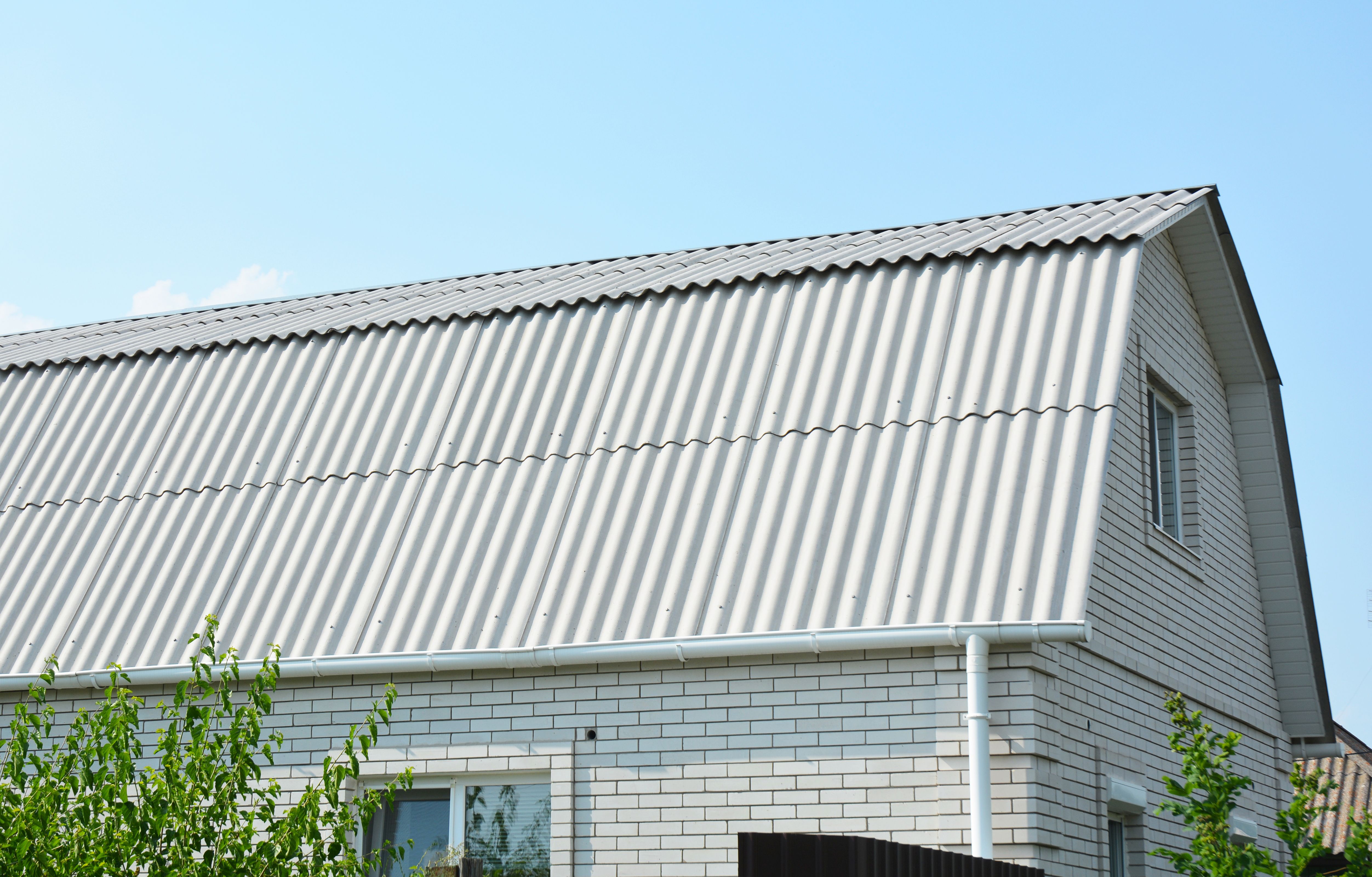
Cool roof coatings are designed to reflect more sunlight and absorb less heat than standard roofing materials. These coatings can lower roof temperatures, reducing the need for air conditioning and lowering energy bills. Made from highly reflective paint, sheet covering, or highly reflective tiles or shingles, cool roofs are a cost-effective way to enhance energy efficiency.
Beyond energy savings, cool roof coatings can extend the lifespan of your roof by minimizing thermal expansion and contraction, which can lead to cracks and damage over time. This durability makes them a smart choice for businesses looking to minimize maintenance costs.
Implementing Rainwater Harvesting Systems
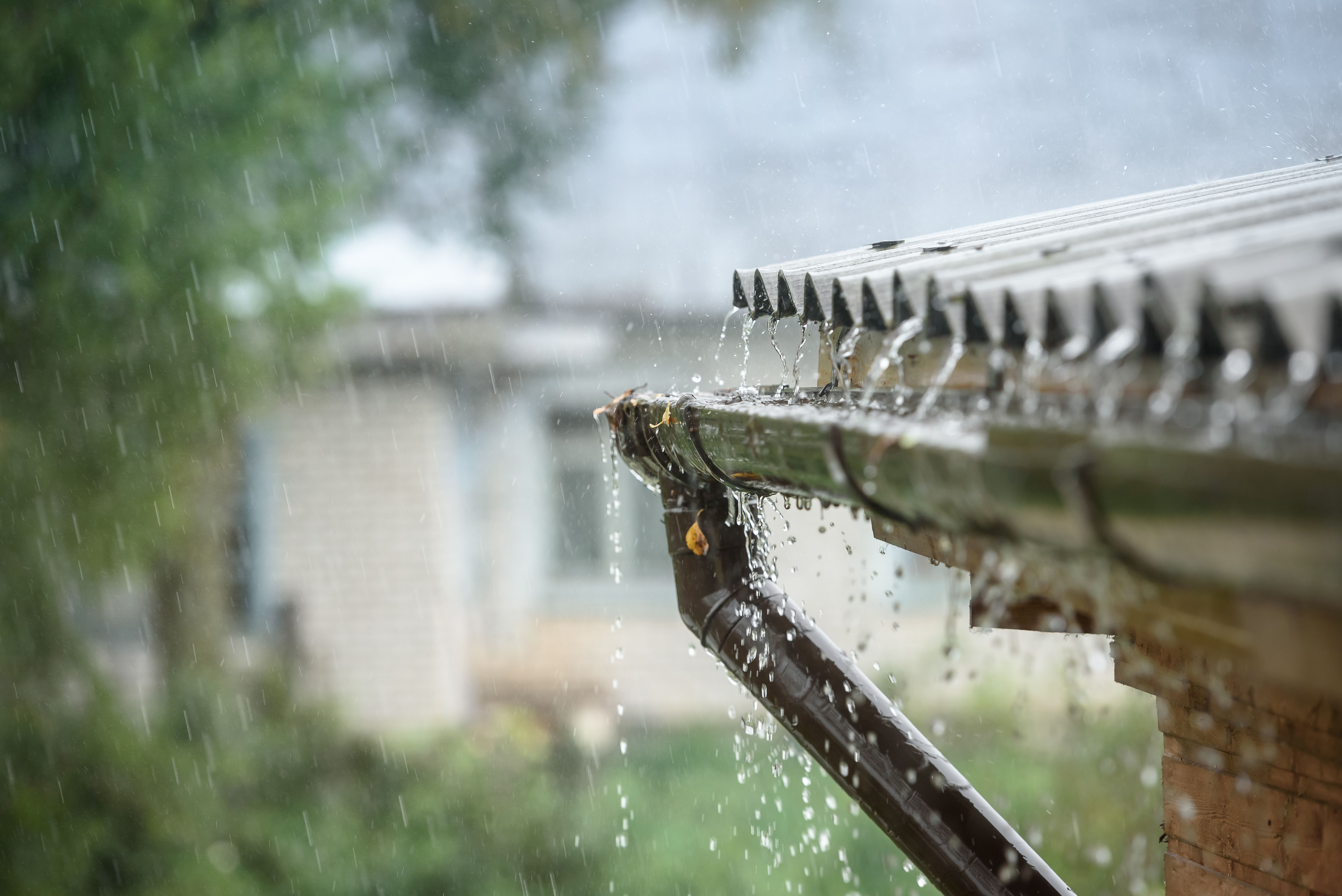
Rainwater harvesting systems collect and store rainwater from roofs, which can then be used for irrigation, flushing toilets, or other non-potable water needs. By reducing the demand on municipal water supplies, these systems support sustainability efforts and can reduce water bills.
Installing a rainwater harvesting system on your commercial roof is a simple yet effective way to manage water resources efficiently. It also demonstrates a proactive approach to water conservation, which can appeal to environmentally conscious stakeholders.